Archives
-
Firefly Luciferase mRNA: Benchmarking Bioluminescent Repo...
2025-10-25
Firefly Luciferase mRNA (ARCA, 5-moUTP) redefines gene expression, viability, and in vivo imaging assays with enhanced stability, immune evasion, and exceptional translation efficiency. Explore how its advanced design and compatibility with lipid nanoparticle technologies streamline experimental workflows and empower translational research.
-
Redefining Chk1 Inhibition: Strategic Roadmaps for Transl...
2025-10-24
Explore the next frontier in cancer therapeutics—beyond traditional checkpoint kinase 1 (Chk1) inhibition. This thought-leadership article unites mechanistic insights, cutting-edge experimental data, and actionable strategies for translational researchers. Discover how the selective Chk1 inhibitor LY2603618 empowers combinatorial approaches in non-small cell lung cancer (NSCLC) and DNA damage response research, while integrating redox biology and addressing clinical challenges identified in recent breakthrough studies.
-
LY2603618 and the Chk1 Signaling Axis: Unveiling New Fron...
2025-10-23
Explore the scientific advances enabled by LY2603618, a selective Chk1 inhibitor, with a focus on its unique role in DNA damage response, G2/M phase arrest, and novel connections to nuclear cGAS regulation. This article delivers unparalleled depth for researchers in cancer therapeutics and cell cycle checkpoint modulation.
-
Perospirone (SM-9018 Free Base): Mechanistic Insights and...
2025-10-22
Explore the evolving landscape of antipsychotic drug discovery through the mechanistic and translational lens of Perospirone (SM-9018 free base). This article synthesizes receptor pharmacology, off-target vascular effects, and experimental strategy—empowering researchers to reimagine the role of atypical antipsychotics in neuropsychiatric disorder models. Anchored in fresh findings and competitive context, it delivers actionable guidance and visionary perspectives for next-generation schizophrenia research.
-
Z-VEID-FMK: Irreversible Caspase-6 Inhibitor for Apoptosi...
2025-10-21
Z-VEID-FMK empowers researchers to dissect caspase-6-dependent apoptosis and neurodegenerative pathways with precision and reproducibility. Its unique cell permeability and irreversible inhibition profile make it an indispensable tool for advanced apoptosis assays, especially in neuronal and cancer research models. Discover protocol enhancements, troubleshooting insights, and future directions that set this caspase-6 inhibitor apart.
-
Redefining Cell Proliferation Assays: Mechanistic Insight...
2025-10-20
This article explores the mechanistic and translational significance of EdU Flow Cytometry Assay Kits (Cy3) in advancing cell proliferation research. By integrating cutting-edge findings from recent cancer biology, highlighting best practices for experimental validation, and benchmarking EdU-based assays against traditional methods, we provide translational researchers with actionable strategies for leveraging next-generation DNA synthesis detection in preclinical and clinical pipelines.
-
EdU Flow Cytometry Assay Kits (Cy3): Decoding Proliferati...
2025-10-19
Explore the advanced applications of EdU Flow Cytometry Assay Kits (Cy3) in deciphering cell proliferation mechanisms such as the SP1/ADAM10/DRP1 axis. This in-depth analysis bridges DNA synthesis detection with emerging biomedical insights, offering unique guidance for cell cycle analysis and pharmacodynamic effect evaluation.
-
Optimizing Cell Cycle Analysis with EdU Flow Cytometry As...
2025-10-18
Unlock high-precision S-phase DNA synthesis detection with EdU Flow Cytometry Assay Kits (Cy3), streamlining cancer research and genotoxicity testing. This guide details robust workflows, advanced troubleshooting, and comparative advantages to empower your cell proliferation assays.
-
Olaparib (AZD2281): Transforming BRCA-Deficient Cancer Re...
2025-10-17
Explore how Olaparib (AZD2281), a potent PARP-1/2 inhibitor, is revolutionizing selective BRCA-deficient cancer research. This article delivers a unique systems-level analysis of DNA damage response, radiosensitization, and novel therapeutic strategies.
-
Resazurin Sodium Salt: Mechanistic Innovation and Strateg...
2025-10-16
This thought-leadership article explores how Resazurin sodium salt, a fluorogenic oxidation-reduction indicator, is revolutionizing cell proliferation and cytotoxicity assays in translational research. Integrating mechanistic insight, experimental best practices, and strategic guidance, we highlight recent advances in disease modeling and drug discovery—particularly in cystic fibrosis—while offering a roadmap for assay optimization and future clinical impact. Drawing from the latest literature and competitive analysis, this piece positions Resazurin sodium salt as an indispensable metabolic activity indicator for next-generation biomedical innovation.
-
PHA-848125 Tension within the network could be explained by
2023-07-06

Tension within the network could be explained by two potential mechanisms: the more classical contractility that is dependent on motor proteins that are pulling PHA-848125 filaments towards each other [10]; or contractility that is caused by disassembly of a crosslinked network of actin filaments [
-
Several reports of single cases
2023-07-06
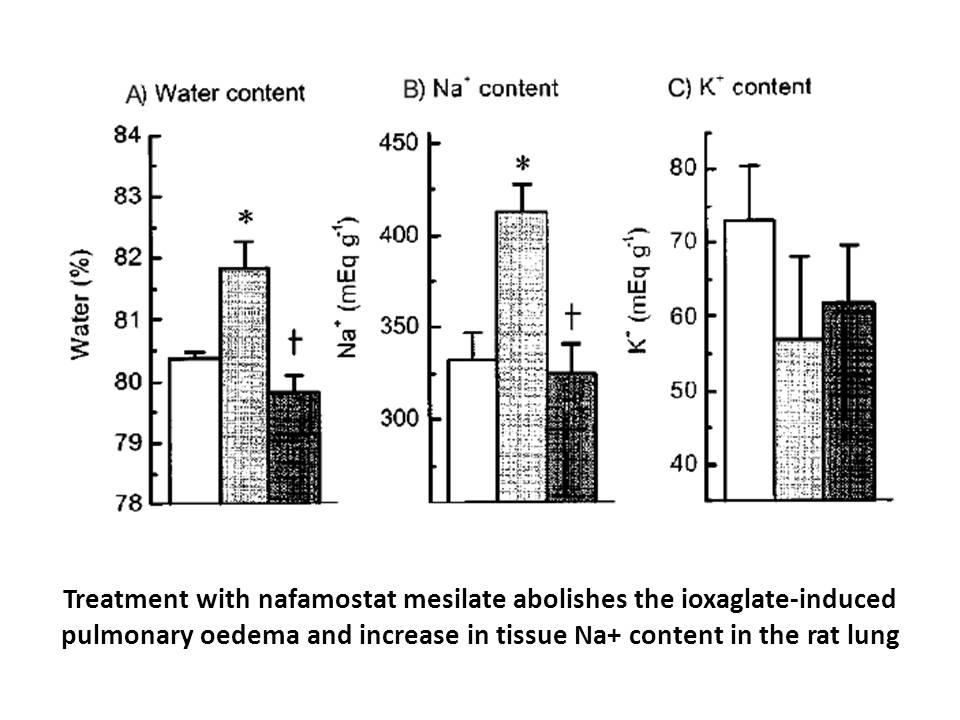
Several reports of single cases of MG patients treated with Rituximab have claimed a favourable response (Baek et al., 2007, Gajra et al., 2004, Hain et al., 2006, Thakre et al., 2007, Wylam et al., 2003, Zaja et al., 2000). We report our experience with Rituximab in 6 patients with severe MG, 3 pa
-
In plants altered expression of
2023-07-05
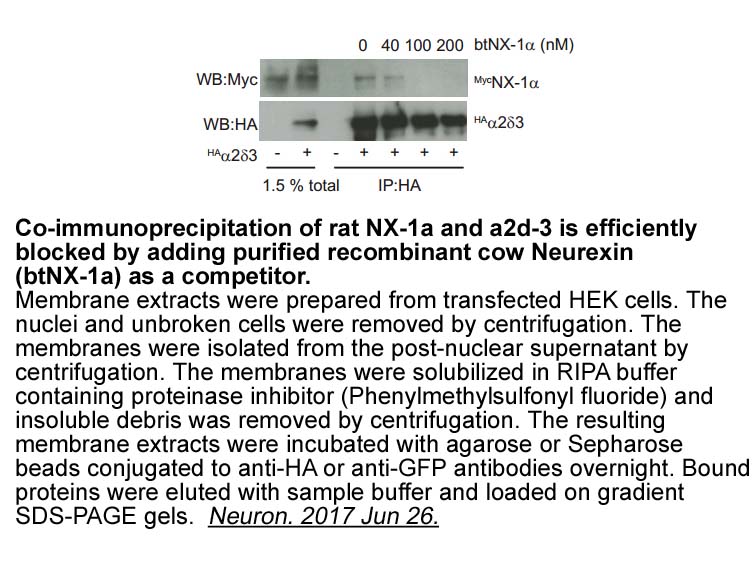
In plants, altered expression of Aurora kinases results in impaired meiotic divisions followed by the formation of aneuploid or polyploid progenies [21]. This observation is interesting from an evolutionary point of view because it can be assumed that, during evolution, the influence of biotic and a
-
Comparison of the GLUT positive plus
2023-07-05
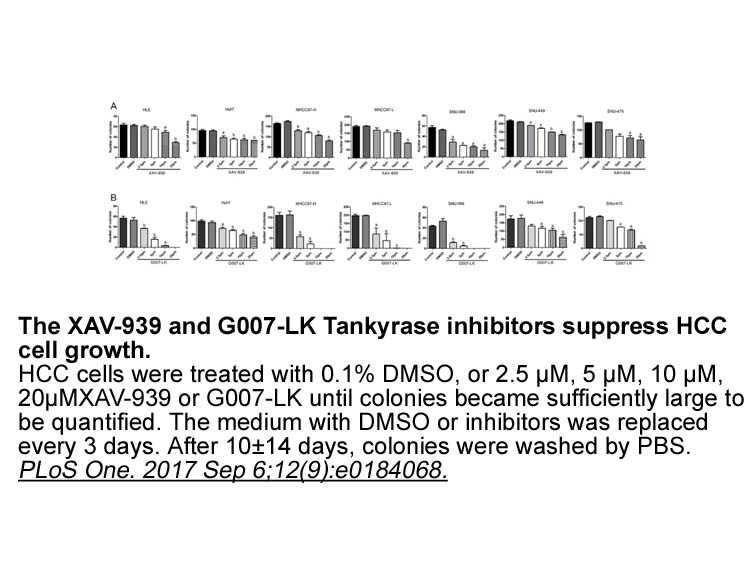
Comparison of the GLUT1-positive plus ACLY negative group with the GLUT1-negative plus ACLY positive group indicated no significant difference with respect to disease-free survival and overall survival. However, some obvious differences in histological types were found in their formation. A previous
-
Recently competitive inhibitors of arginase have been develo
2023-07-05
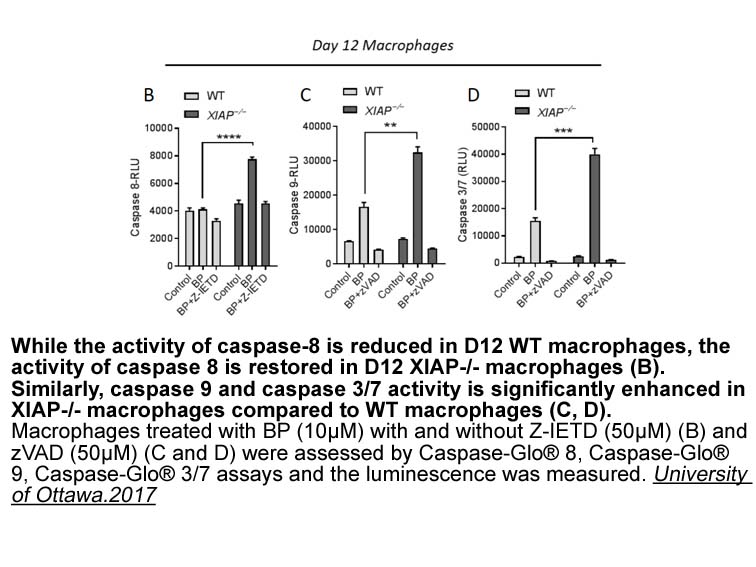
Recently, competitive inhibitors of arginase have been developed which have greater specificity for the enzyme. Initial development of these compounds involved determination of the crystal structure of arginase. Christianson and colleagues found that a binuclear manganese cluster was required for ca
3634 records 37/243 page Previous Next First page 上5页 3637383940 下5页 Last page